Drain Cleaning Help for Chandler Homes
A slow sink, standing water, or a drain that keeps backing up can start as a small inconvenience and become a larger plumbing concern. This page helps Chandler homeowners compare common drain symptoms, take safe first steps, and decide when to request drain-cleaning assistance.
Calls may connect you with an independent local provider.
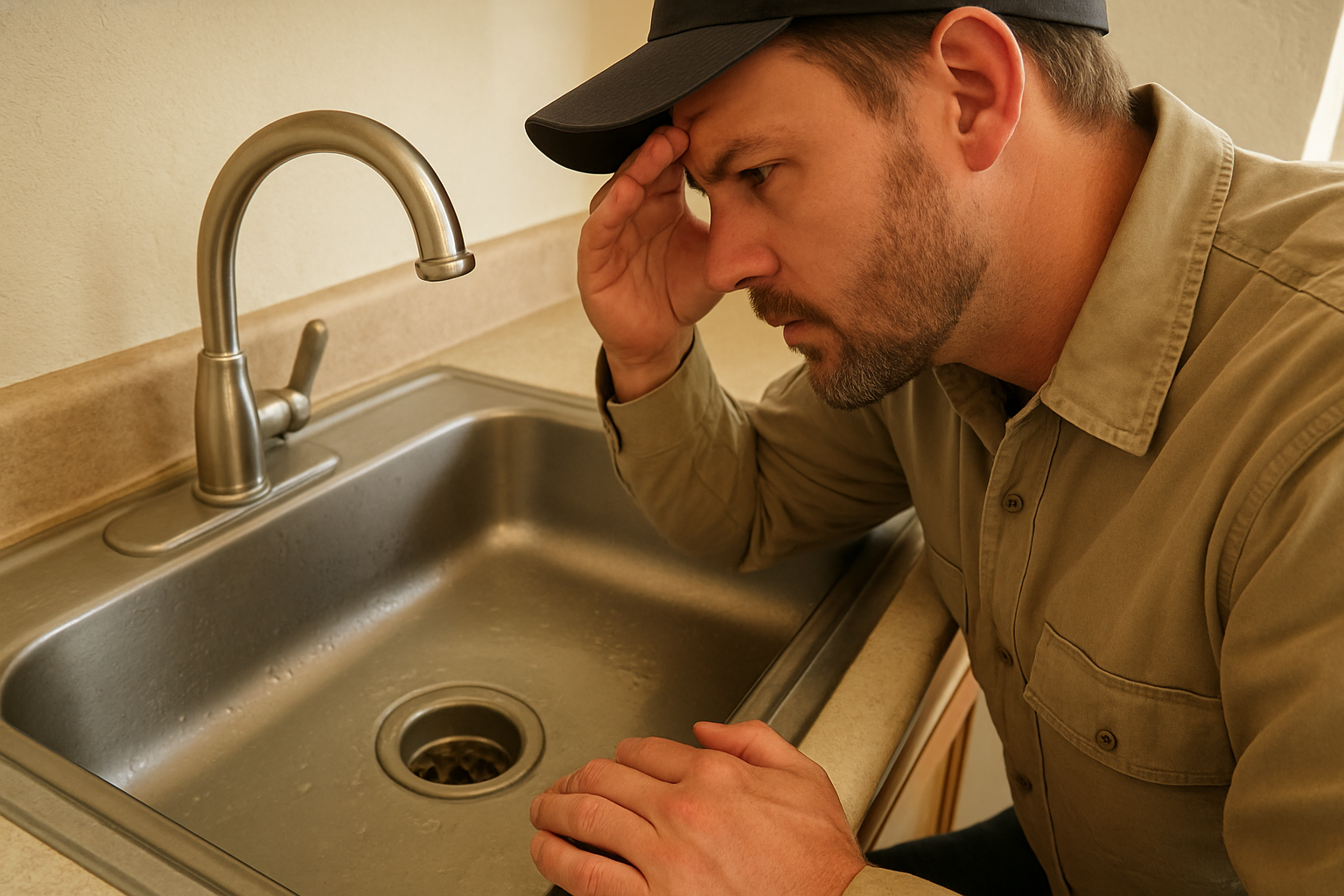
Recognize the Drain Pattern Before Choosing Help
A single slow fixture may point to a localized blockage near that drain. A kitchen sink, bathroom sink, tub, or shower that drains slowly can often be described by when the problem began, whether water remains in the fixture, and whether the issue improves or returns. Avoid assuming that every slow drain has the same cause.
One Slow Drain or Several?
When only one fixture is affected, note its location and any recent change in drainage. When several fixtures are slow or begin backing up around the same time, the issue may involve a larger section of the plumbing system and deserves prompt assessment rather than repeated treatment at individual drains. Unusual odors, wastewater, or recurring backups are additional reasons to seek professional guidance.
Safe First Steps
Remove visible debris from the drain opening if it can be done without reaching into standing wastewater. Keep the affected fixture clear and avoid combining chemical drain products or using products whose instructions you cannot follow safely. If water is approaching electrical equipment, stop using the area and treat the situation as urgent. Do not rely on repeated chemical treatments when the clog keeps returning.
Recurring Clogs Need More Than a Quick Reset
A drain that clears briefly and then slows again may need a closer assessment. Recurrence, multiple affected fixtures, gurgling, persistent odors, or water appearing where it should not can help a referral provider determine whether routine drain cleaning is appropriate or whether another plumbing evaluation is needed. Documenting which fixtures are affected and how often the backup occurs can make the assessment more useful.
What an Assessment May Cover
A referred plumbing professional may ask which fixture is affected, how quickly it drains, whether other fixtures show the same symptoms, and what steps have already been tried. The provider can then determine an appropriate way to evaluate the blockage and explain available next steps. The exact scope depends on the symptoms found at the property; clearing results, methods, and pricing should be confirmed directly before work begins.
When a Clog May Need a Different Type of Evaluation
A persistent problem involving multiple fixtures, repeated backups, wastewater, or strong drain odors may indicate that routine cleaning is not the only question. In that situation, request an assessment and describe the full pattern instead of treating each fixture separately. If there is active overflow or a hygiene concern, limit contact with the water and seek prompt assistance.
What's included
What to expect, start to finish
Describe the symptoms
Identify the slow or blocked fixture, the timing, and whether other drains are affected.
Reduce risk around the area
Stop unsafe product use, keep people away from wastewater, and address any nearby electrical hazard without putting yourself at risk.
Request the right assessment
Use the symptom pattern to request drain-cleaning assistance or broader plumbing evaluation when the issue is recurring or affects multiple fixtures.
Confirm the proposed next step
Before work begins, ask the referred provider what they found, what service is recommended, and what charges or limitations apply.
Drain Cleaning FAQs
Still have questions? Call for the next step that fits your situation.
When should I seek drain-cleaning help?
Request help when a drain remains slow, becomes blocked, backs up repeatedly, or does not improve after safe basic steps. Seek prompt assistance for active overflow, wastewater, or water near electrical equipment.
What does a recurring backup suggest?
A recurring backup can mean the blockage was not fully addressed or that the problem extends beyond one fixture. Note which drains are affected, how often it happens, and whether odors or wastewater are present so the issue can be assessed appropriately.
When might a clogged drain indicate a sewer-line issue?
A clog may warrant broader evaluation when multiple fixtures back up, the problem returns frequently, wastewater appears, or persistent odors accompany the blockage. Those symptoms do not confirm a sewer-line problem, so an assessment is needed.
Should I use chemical drain cleaner for a blockage?
Avoid mixing products or using a chemical treatment without following its label and safety instructions. Repeated use may not address a recurring problem and can create additional safety concerns for anyone assessing the drain.
What information should I provide when requesting help?
Share the affected fixtures, when the symptoms began, whether one or several drains are involved, whether water or odors are present, and any steps already attempted. Photos may also help explain visible conditions.
Related information
Need Help With a Slow or Blocked Drain?
Contact the referral service for local drain-cleaning assistance in Chandler. Describe the affected fixtures, how long the problem has been present, and whether backups or wastewater are involved. This website provides referrals; the selected provider will confirm availability, scope, and pricing directly.