Suspect a Slab Leak Beneath Your Chandler Home?
A plumbing leak below a concrete slab can be difficult to see. Instead of waiting for obvious water damage, pay attention to changes in flooring, water use, sound, and temperature. This page explains possible warning signs, what you can safely observe, and when to request an evaluation. The site provides referral assistance rather than performing plumbing work directly.
Calls may connect you with an independent local provider.
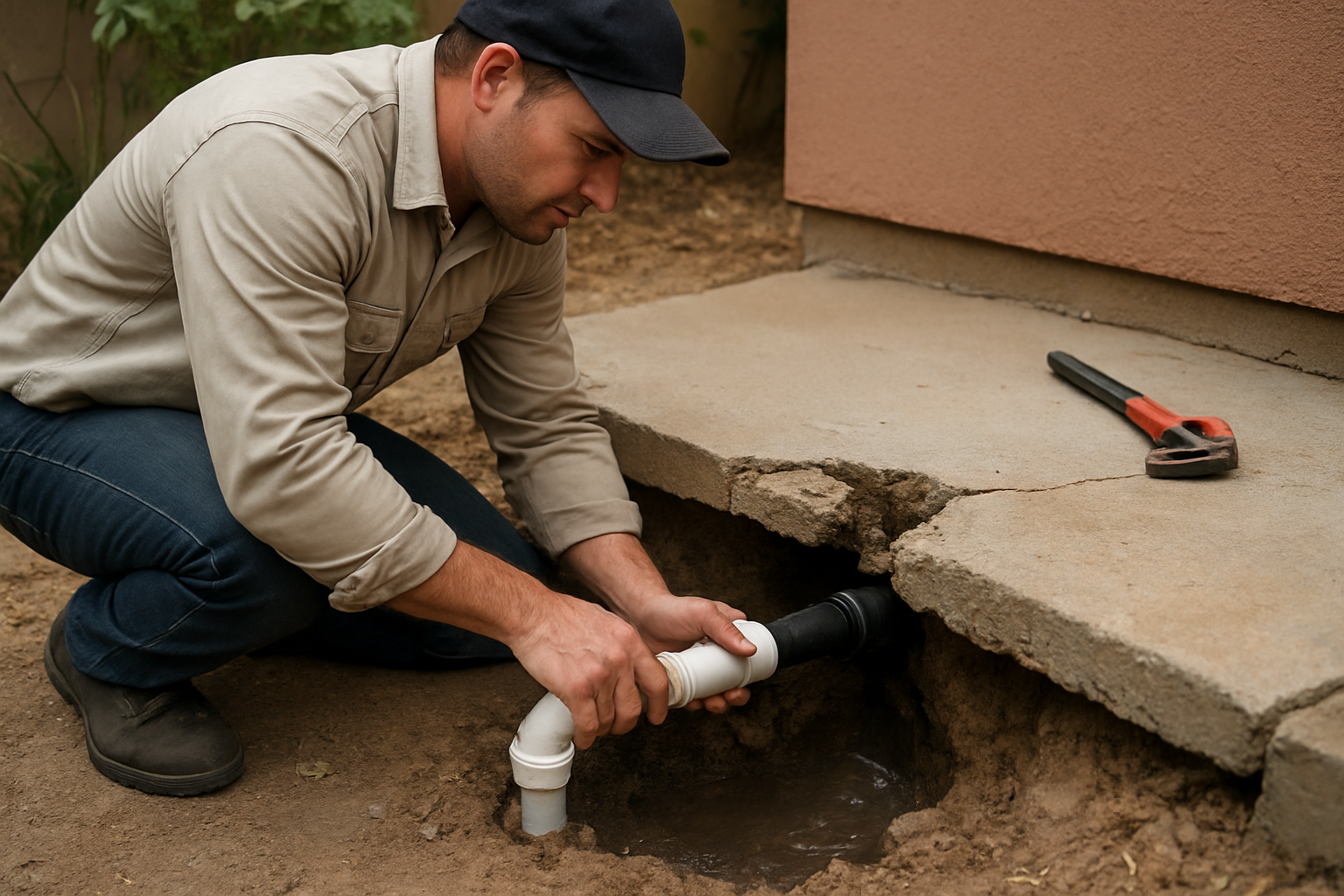
Signs That May Point to a Slab Leak
Possible signs include a warm area of floor when no hot-water fixture is running, damp or discolored flooring, a persistent sound of running water, unexplained increases in water use, or water collecting near the foundation. Cracks, loose flooring, or a musty odor can also deserve attention, but none of these signs confirms the source by itself.
Symptoms Can Have More Than One Cause
Water beneath or near a slab may come from a supply pipe, a drain line, an appliance connection, surface moisture, or another concealed leak. A warm floor may involve a hot-water line, while a wet area without warmth may have a different source. Because the visible symptom does not identify the failed pipe, avoid treating a suspected slab leak as a confirmed diagnosis.
Safe Observations Before Requesting Help
Note where the symptom appears, when it began, whether it changes after using hot or cold water, and whether nearby fixtures affect it. Check visible areas such as under sinks and around water-using appliances without removing flooring or opening the slab. If you can do so safely, avoid unnecessary water use while documenting the affected area. Do not enter standing water near electrical equipment.
When to Request an Evaluation
Request help promptly when a warm or damp floor persists, water appears without an obvious source, the sound of running water continues when fixtures are off, or flooring changes are spreading. Seek urgent assistance for active flooding, rapidly accumulating water, loss of control over a leak, or water near electrical systems. Shut off the accessible water supply only if you know how to do so safely.
What an Evaluation May Involve
A referral provider may begin by asking about the symptoms, recent water use, fixture behavior, and visible damage. The evaluation may then focus on locating the likely leak area and distinguishing a beneath-slab concern from another plumbing source. Ask what observations were made, what remains uncertain, and what next steps are recommended before agreeing to any repair or access work.
Slab Leak Detection Compared With General Leak Detection
Slab leak detection is focused on signs that may indicate water below a concrete foundation. General leak detection is broader and may apply when the source of unexplained moisture, water use, or sound is not known. If you are unsure whether the problem is beneath the slab, describe all symptoms through the referral path so the appropriate plumbing evaluation can be considered.
Referral Coverage in Chandler
Referral assistance is available for plumbing service requests in Chandler, Arizona, including the verified ZIP codes 85224, 85225, 85226, 85227, 85244, 85246, 85248, 85249, and 85286. Availability, provider selection, pricing, and timing should be confirmed through the contact process.
What's included
What to expect, start to finish
Describe the pattern
Share the floor location, moisture or temperature changes, sounds, water-use observations, and when the issue started.
Review immediate safety steps
Consider whether water should be limited or an accessible shutoff used, and identify any electrical hazard before approaching the area.
Request the appropriate evaluation
Use the referral contact path to seek plumbing assistance for a suspected beneath-slab leak. Confirm provider availability and scope directly.
Clarify findings and next steps
Ask what source was considered, what evidence supports the assessment, and whether additional access or repair decisions are recommended.
Slab Leak Detection FAQs
Still have questions? Call for the next step that fits your situation.
What are common signs of a possible slab leak?
Possible signs include a warm or damp floor, unexplained water use, a persistent running-water sound, flooring changes, or water collecting near the foundation. These symptoms can have other causes and require evaluation for confirmation.
Can symptoms confirm a slab leak?
No. Symptoms can suggest a beneath-slab leak, but they may also result from a fixture, appliance connection, supply line, drain line, or surface moisture. A qualified plumbing evaluation is needed to assess the likely source.
When should I request an evaluation?
Request an evaluation when a floor remains warm or damp, water use seems unexplained, or a running-water sound continues with fixtures off. Seek urgent help for active flooding, rapidly spreading water, or water near electrical equipment.
What should I do before help is arranged?
Record where and when symptoms occur, limit unnecessary water use, and inspect only visible areas without removing flooring or opening the slab. If safe and practical, use an accessible shutoff. Keep away from standing water near electrical equipment.
Does a warm floor always mean a hot-water leak beneath the slab?
No. A warm area can have several explanations, and temperature alone cannot identify the leak source. Report the location and whether hot-water use changes the symptom so the provider can evaluate it in context.
Related information
Need Help Evaluating a Possible Slab Leak?
Call for local service assistance through the referral contact path. Describe the floor, moisture, sound, and water-use symptoms, and confirm availability, scope, and pricing with the referred provider before work begins.